Expert Deep Tissue & Sports Massage in Selly Oak, Birmingham
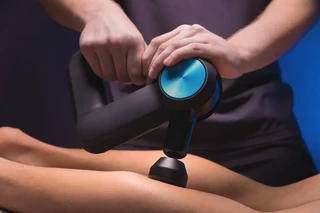
Sports massage is most clinically valuable for recovery, flexibility and the management of accumulated muscular tension associated with training load, distinct from the structural and neurological mechanisms targeted by our other treatments.
What Sports Massage Addresses
Delayed Onset Muscle Soreness: 2025 research confirms deep tissue massage produces a clinically meaningful, moderate enhancement in perceived soreness following eccentric exercise, with the underlying mechanism now linked to stabilised intracellular calcium handling and reduced muscle spasm at the cellular level.
Reduced Flexibility Following Training Load: Among the few outcomes consistently supported across systematic review evidence, with massage shown to produce small but statistically significant flexibility improvements where sustained training has left tissue tight and restricted.
Post-Match and Post-Competition Recovery: Applied within structured recovery protocols, with research in competitive athletes confirming sports massage enhances muscle power recovery indicators and reduces DOMS more effectively than active stretching alone following intense competitive exertion.
Accumulated Tension From Training Cycles: Bi-weekly deep tissue massage sessions of forty to sixty minutes, the dose and frequency identified across systematic review evidence as optimal, support athletes managing the cumulative muscular load of structured training without risking over-fatigue from excessive treatment frequency.
Pain Modulation Alongside Injury Rehabilitation: The mechanoreceptor-mediated, gate-control pain suppression mechanism massage activates provides a genuine analgesic effect that complements, rather than replaces, the structural treatment your manual therapy and exercise rehabilitation programme addresses directly.
-
Location
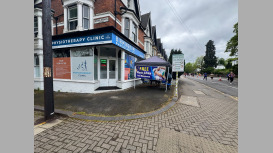
Birmingham, West Midlands , B29 7NX
-
Phone