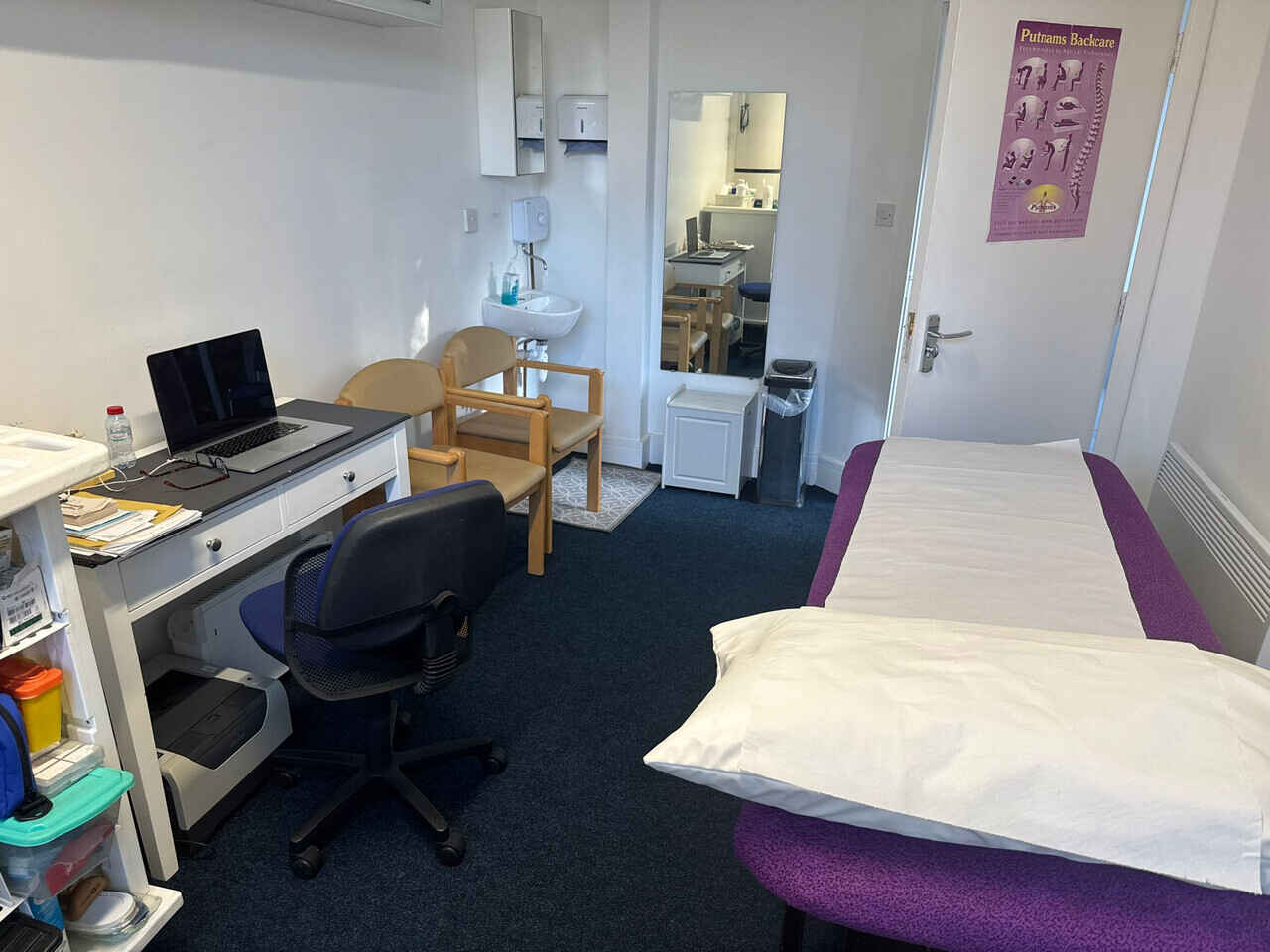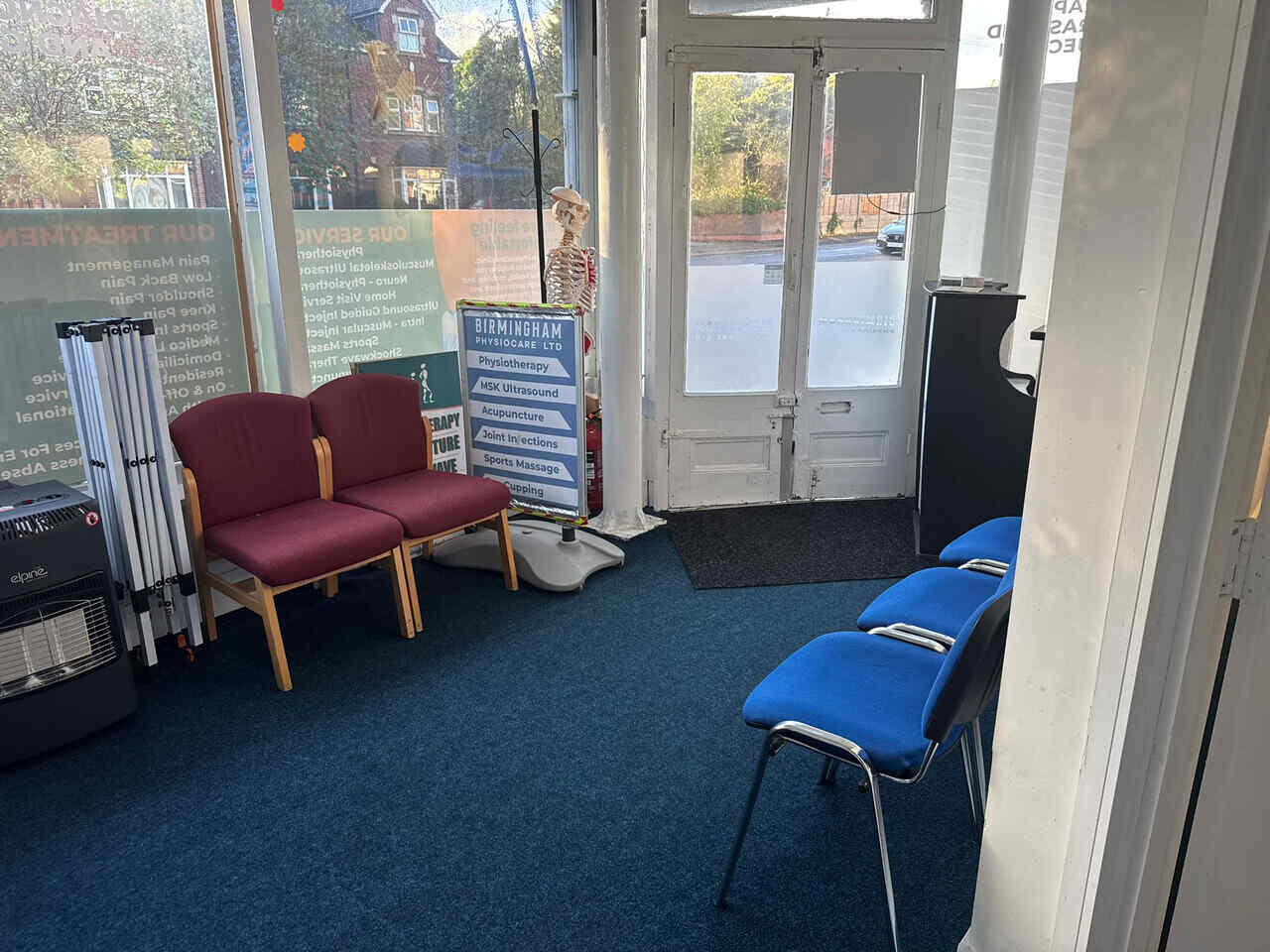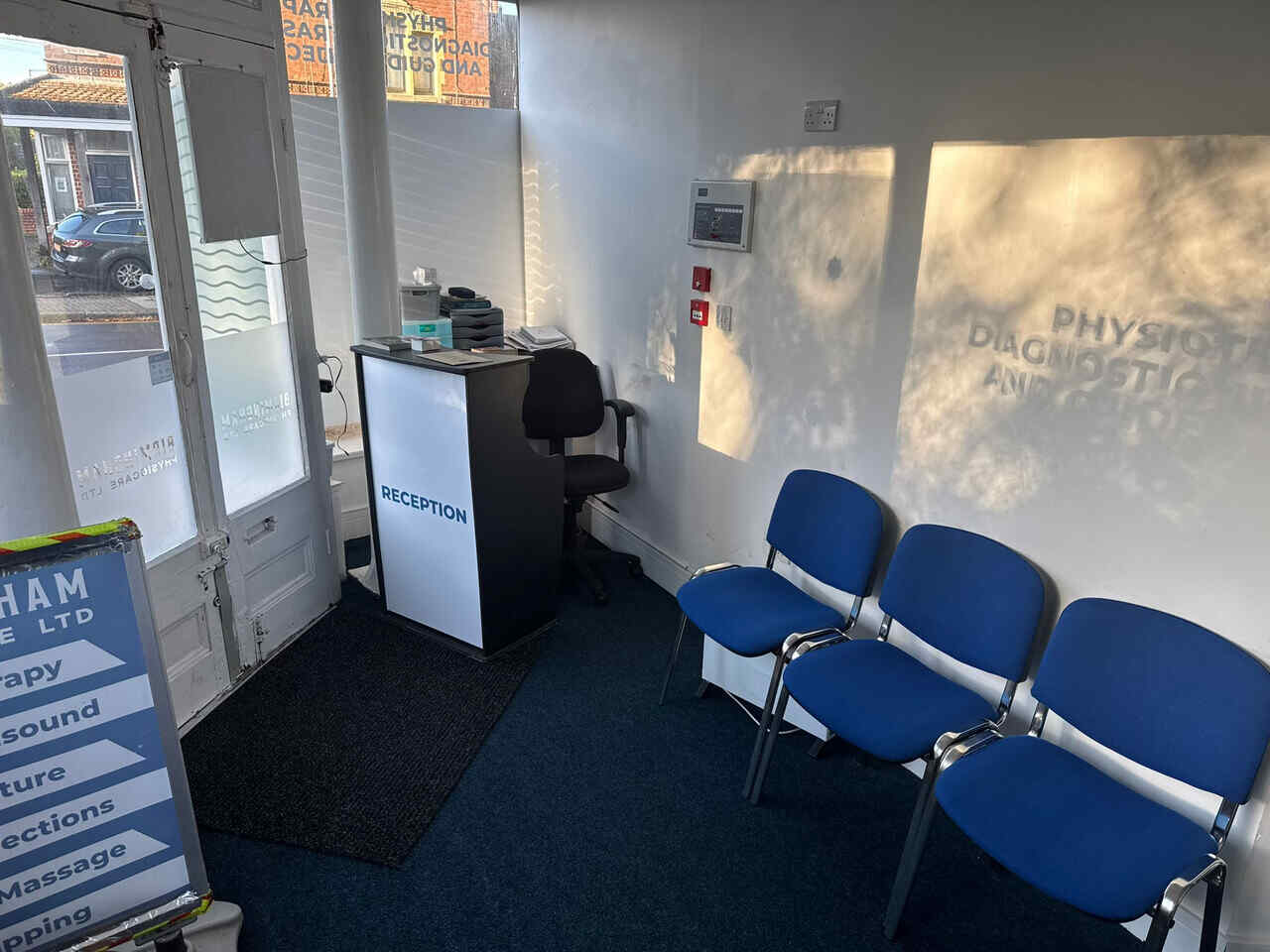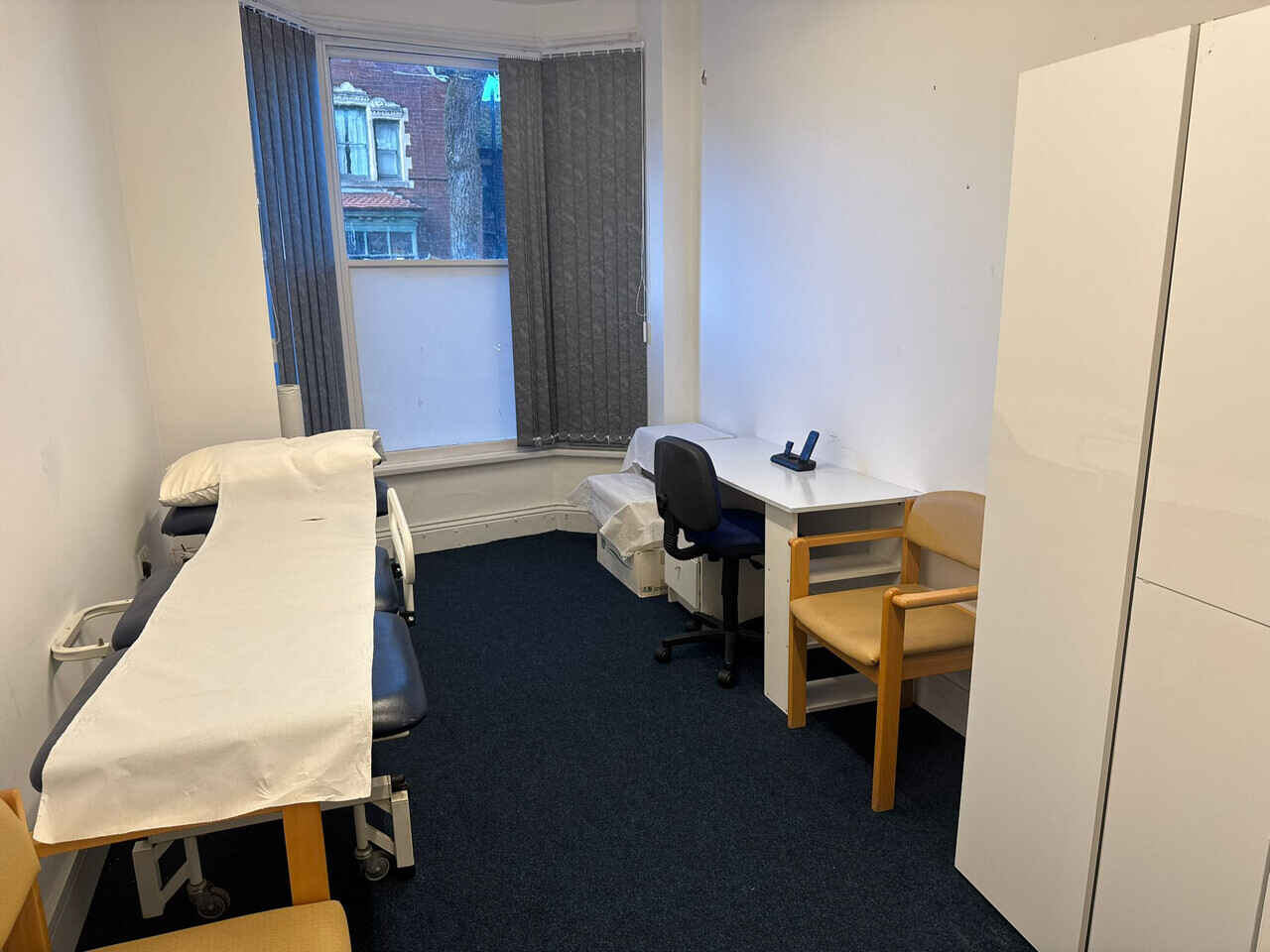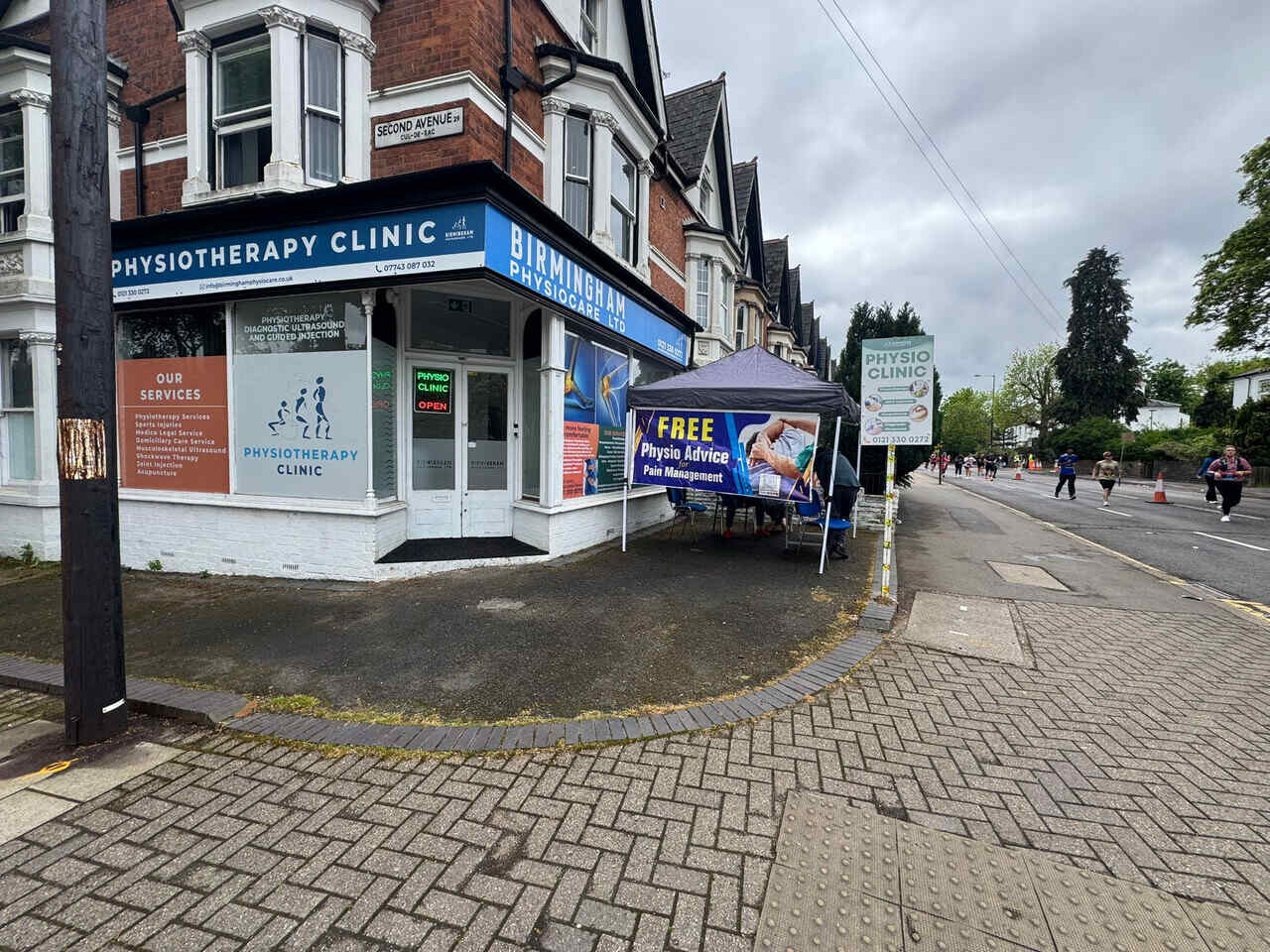
About the Business

We treat musculoskeletal conditions, neurological conditions, orthopaedic post-surgical rehabilitation, sports injuries, elderly care, chronic pain and complex domiciliary cases at our clinic and at the homes of patients across Birmingham and the West Midlands who cannot travel to us.

Business Services

Ultrasound Guided Injections

Ultrasound Guided Injections

At Birmingham Physiocare Ltd on Pershore Road in Birmingham, every injection is delivered under live ultrasound visualisation by our HCPC and MCSP registered chartered physiotherapist the same clinician who conducted your diagnostic assessment, confirmed your target structure and now delivers treatment directly to it, in the same appointment.

The medication selected and the precision with which it reaches its target are equally significant to outcome. Corticosteroid suppresses inflammatory mediators rapidly. Hyaluronic acid binds to CD44 and RHAMM receptors on synoviocytes and chondrocytes, reducing pro-inflammatory mediators including IL-1β and TNF-α while restoring the viscoelasticity that allows synovial fluid to lubricate and absorb shock within a joint. Selecting between them, and placing either accurately, is the clinical skill this treatment depends on.

What Ultrasound-Guided Injection Treats
  • Knee Osteoarthritis: Intra-articular corticosteroid or hyaluronic acid delivered directly into the joint space under direct visualisation, addressing the structural inaccuracy that landmark technique cannot avoid in a joint with significant anatomical variability between patients.
  • Hip Osteoarthritis: A long-term real-world analysis of ultrasound-guided hip injections found sustained pain relief and functional improvement at twelve months following combined hyaluronic acid and corticosteroid injection, with the hip joint’s deep anatomical position making image guidance clinically essential rather than optional.
  • Subacromial Bursitis and Shoulder Impingement: Guided injection placed precisely within the bursal space, with 2025 evidence confirming superior outcomes for ultrasound-guided versus landmark corticosteroid injection in patients with persistent shoulder pain unresponsive to conservative treatment.
  • Trochanteric Bursitis: Corticosteroid delivered directly to the confirmed bursal location, frequently following MSK Ultrasound assessment that has differentiated genuine bursitis from gluteal tendinopathy, two conditions routinely confused without imaging confirmation.
  • Plantar Fasciitis: Image-guided corticosteroid injection demonstrated significantly greater reduction in plantar fascia thickness and improved mechanical pain tolerance compared with blind injection in 2025 meta-analysis data, with effects sustained beyond twelve weeks.
  • Trigger Finger: Combined corticosteroid and hyaluronic acid injection into the flexor tendon sheath under ultrasound guidance has demonstrated complete symptom resolution in the majority of patients at six months, offering a genuine non-surgical pathway with significantly shorter recovery time than open release.
  • De Quervain’s Tenosynovitis: Corticosteroid placed precisely within the first dorsal compartment tendon sheath, where accurate placement is directly tied to clinical outcome given the narrow anatomical margin for error in this structure.
MSK Ultrasound Diagnosis

MSK Ultrasound Diagnosis

MSK Ultrasound at Birmingham Physiocare is also the diagnostic foundation for our Ultrasound-Guided Injection service confirming the target structure before any needle advances and visualising placement in real time. For patients where chronic tendon pathology is identified, findings directly inform whether Shockwave Therapy is the appropriate next step.

Diagnostic imaging available at your first appointment across Birmingham, Selly Oak, Harborne, Edgbaston, Moseley, Sutton Coldfield and the wider West Midlands.

MSK ultrasound is not appropriate for every clinical presentation and your physiotherapist will advise honestly whether imaging will add diagnostic value to your assessment. For conditions involving tendons, bursae, ligaments and soft tissue structures where clinical examination alone cannot confirm the diagnosis, it provides a level of precision that changes the treatment decision. These are the presentations where it consistently delivers clinical value at Birmingham Physiocare.

What We Diagnose With MSK Ultrasound
  • Rotator Cuff Tears and Tendinopathy: Partial and full-thickness tears of the supraspinatus, infraspinatus, subscapularis and teres minor tendons imaged in real time. Ultrasound differentiates between tendinopathy and a structural tear, a distinction that changes the treatment pathway completely and that clinical examination alone cannot reliably make.
  • Subacromial and Trochanteric Bursitis: Bursal thickening and fluid accumulation confirmed at the exact location, directly guiding subsequent injection therapy to the precise bursal target rather than the estimated one.
  • Plantar Fasciitis: Real-time imaging of the plantar fascia confirms fascial thickening and identifies the exact zone of pathology, establishing whether Shockwave Therapy, injection or rehabilitation represents the most clinically appropriate pathway.
  • Achilles and Patellar Tendinopathy: Classification of tendon pathology by location, extent and degree of degeneration, directly informing loading parameters in rehabilitation and whether Shockwave Therapy is indicated for chronic degenerative presentations.
  • Calcific Tendinopathy: Calcium deposits in the rotator cuff and other tendons clearly visible with size, location and developmental stage all informing whether Shockwave Therapy or image-guided needling and lavage is the recommended intervention.
  • Ankle Ligament Assessment: Dynamic assessment of the anterior talofibular, calcaneofibular and deltoid ligaments for acute sprains and chronic instability, providing structural information that guides rehabilitation loading and return-to-activity decisions.
  • Nerve Entrapment and Compression: Identification of carpal tunnel syndrome, cubital tunnel syndrome and Morton’s neuroma through direct nerve visualisation, providing diagnostic clarity before treatment or surgical referral decisions are made.
  • Hip and Knee Joint Assessment: Joint effusions, osteoarthritic changes, labral pathology and soft tissue masses assessed in the clinic, informing whether injection therapy or rehabilitation is the priority intervention.
  • Wrist and Hand Conditions: De Quervain’s tenosynovitis, ganglion cysts, trigger finger and TFCC pathology all imaged directly, with guided aspiration or injection available at the same appointment where clinically indicated.
Shockwave Therapy

Shockwave Therapy

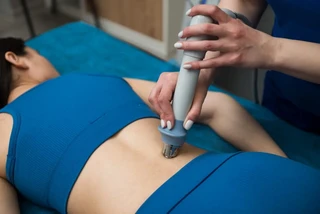
At Birmingham Physiocare Ltd on Pershore Road in Birmingham, shockwave therapy is delivered following diagnostic confirmation of the target structure through MSK Ultrasound, ensuring every session of treatment targets the precise zone of tissue pathology identified on imaging rather than the anatomical region of pain alone.

Shockwave therapy is not appropriate for every tendon condition, and our physiotherapist will be precise about where the evidence supports its use. These are the conditions where Birmingham Physiocare consistently achieves strong clinical results and where the research evidence specifically supports the treatment.

Where Shockwave Therapy Delivers Results
  • Plantar Fasciitis: The strongest evidence base of any shockwave application. High-quality evidence from multiple systematic reviews confirms a large effect on pain and function, with the 2025 meta-analysis in Foot and Ankle Surgery confirming ESWT produces results comparable or superior to competing modalities. Three sessions at weekly intervals, each delivering 1800 impulses at appropriate energy parameters, is the most widely used evidence-based protocol, though your physiotherapist will adjust this based on MSK Ultrasound findings confirming fascial thickness and pathology extent.
  • Calcific Tendinopathy Of The Rotator Cuff: High-quality evidence confirms ESWT produces a large effect on pain and function for calcific shoulder tendinopathy, with FDA approval specifically covering this indication. Shockwave disrupts calcific deposits mechanically while simultaneously stimulating the surrounding tendon tissue, an effect impossible to achieve through injection or exercise alone.
  • Midportion Achilles Tendinopathy: Consistent evidence from four RCTs confirms ESWT is effective for midportion Achilles tendinopathy, reducing pain and improving function. The best available evidence suggests combination with eccentric exercise produces superior outcomes to shockwave alone, which is why exercise rehabilitation is always integrated alongside treatment at Birmingham Physiocare.
  • Lateral Epicondylitis: FDA approval for lateral epicondylitis, with systematic review evidence confirming ESWT outperformed physiotherapy alone for pain, disability scores and grip strength in a direct comparative trial.
  • Patellar Tendinopathy: Low to moderate evidence, communicated honestly, supports ESWT as a useful intervention where conservative loading programmes have not achieved adequate resolution, with the evidence base acknowledging the absence of a practical clinical guideline for this specific condition.
  • Gluteal Tendinopathy: Chronic greater trochanteric pain driven by gluteal tendinopathy, frequently the genuine diagnosis behind lateral hip pain misattributed to arthritis without MSK Ultrasound confirmation, responds to the same neovascularisation and tissue regeneration mechanism that underpins shockwave in other chronic tendinopathies.
Manual Therapy

Manual Therapy

At Birmingham Physiocare Ltd on Pershore Road in Birmingham, the technique applied is never arbitrary. It is selected based on the specific structure involved, the irritability of the presentation, and the stage of your condition then progressed or changed entirely as your tissue response dictates. Where the diagnosis requires confirmation beyond what palpation and movement testing can establish, MSK Ultrasound provides that clarity at the same appointment. Where chronic tendon involvement sits alongside joint restriction, Shockwave Therapy addresses what manual technique alone cannot reach at a tissue level.

Manual therapy operates through two parallel mechanisms that 2025 systematic review evidence has confirmed act in combination direct biomechanical correction of joint position and tissue length, alongside neurophysiological modulation of pain processing at the spinal cord and brainstem level. The selected technique depends entirely on which mechanism your presentation requires.

What Manual Therapy Addresses
  • Mechanical Back Pain and Facet Joint Dysfunction: Graded oscillatory mobilisation at the specific lumbar or thoracic segment identified through palpation and movement testing, restoring accessory joint glide and interrupting the guarding response that perpetuates stiffness. Where active patient-engaged correction produces superior central pain modulation, Mulligan SNAG technique is selected over passive Maitland grades.
  • Cervicogenic Headache and Upper Cervical Dysfunction: Sustained Natural Apophyseal Glides applied specifically at C1 through C3, the segments responsible for the majority of cervicogenic headache presentations. The technique directly addresses the source joint dysfunction rather than managing the referred headache symptom.
  • Sciatica and Radicular Leg Pain: Neurodynamic mobilisation techniques including sliders and tensioners applied to the affected nerve root and its surrounding interface, reducing mechanosensitivity and restoring the nerve’s capacity to glide freely through adjacent tissue during normal movement.
  • Frozen Shoulder and Adhesive Capsulitis: Staged mobilisation matched precisely to the freezing, frozen and thawing phases of the condition, since applying aggressive technique during the acutely irritable freezing phase actively worsens the presentation, while insufficient intensity during the frozen phase fails to progress capsular extensibility.
  • Hip and Knee Osteoarthritis: Combined Maitland and Mulligan mobilisation reduces pain, improves range of movement and restores strength more effectively than either approach used in isolation, with current evidence confirming manual therapy combined with supervised exercise as the most effective conservative pathway for osteoarthritic joints.
  • Chronic Ankle Instability: Mobilisation With Movement combined with corrective taping addresses the biomechanically altered fibular position frequently underlying recurrent ankle sprain, a mechanism distinct from simple ligament laxity and one that standard strengthening programmes alone do not resolve.
  • Post-Surgical Joint Stiffness: Graded mobilisation working within consultant-defined protocols to manage scar tissue adhesion and restore accessory joint movement following orthopaedic procedures, coordinated with exercise rehabilitation as tissue healing progresses.
Ankle Injury Treatment

Ankle Injury Treatment

The location of foot and ankle pain is one of the most reliable diagnostic indicators in Musculoskeletal(MSK) physiotherapy. Pain under the heel on first steps in the morning points in a very different direction to pain at the back of the ankle that worsens through a run, or lateral ankle pain following an inversion injury. Identifying the pattern leads directly to the diagnosis.

Common symptoms
  • Sharp, stabbing heel pain on first weight-bearing in the morning that eases after a few minutes of walking
  • Pain at the back of the ankle or lower calf during and after physical activity
  • Swelling, bruising and instability following an ankle twist or roll
  • Lateral or medial ankle pain during walking or sport without a specific injury event
  • Pain under the arch of the foot that worsens with prolonged standing or walking
  • Weakness or giving way of the ankle on uneven ground
  • Tenderness along the inner ankle and collapsing of the foot arch
  • Pins and needles or burning into the heel or sole of the foot
Common causes we treat
  • Plantar fasciitis: Fascial thickening and micro-tearing at the heel, producing characteristic first-step morning pain. Confirmed by MSK Ultrasound and a strong indication for Shockwave Therapy.
  • Achilles tendinopathy: Degeneration of the Achilles tendon producing posterior heel pain and morning stiffness. Shockwave Therapy addresses tissue-level changes that loading alone cannot resolve.
  • Ankle ligament injuries: Sprain following inversion injury, producing immediate swelling and instability. Prompt rehabilitation is vital to restore ligament integrity and prevent chronic issues.
  • Chronic ankle instability: Recurrent giving way and persistent pain following repeated sprains or inadequate rehabilitation of an initial injury.
  • Tibialis posterior tendinopathy: Medial ankle pain and collapsing of the foot arch. A critical diagnosis to catch early to avoid fixed flatfoot deformity.
  • Retrocalcaneal bursitis: Bursal inflammation between the Achilles tendon and heel bone, confirmed by MSK Ultrasound and treated with guided injection where indicated.
Business Offers
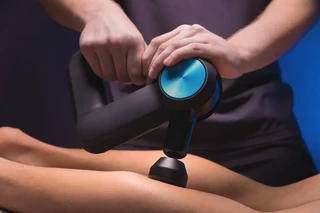
Expert Deep Tissue & Sports Massage in Selly Oak, Birmingham

Expert Deep Tissue & Sports Massage in Selly Oak, Birmingham

From £45.00

Sports massage is most clinically valuable for recovery, flexibility and the management of accumulated muscular tension associated with training load, distinct from the structural and neurological mechanisms targeted by our other treatments.

What Sports Massage Addresses
Delayed Onset Muscle Soreness: 2025 research confirms deep tissue massage produces a clinically meaningful, moderate enhancement in perceived soreness following eccentric exercise, with the underlying mechanism now linked to stabilised intracellular calcium handling and reduced muscle spasm at the cellular level.
Reduced Flexibility Following Training Load: Among the few outcomes consistently supported across systematic review evidence, with massage shown to produce small but statistically significant flexibility improvements where sustained training has left tissue tight and restricted.
Post-Match and Post-Competition Recovery: Applied within structured recovery protocols, with research in competitive athletes confirming sports massage enhances muscle power recovery indicators and reduces DOMS more effectively than active stretching alone following intense competitive exertion.
Accumulated Tension From Training Cycles: Bi-weekly deep tissue massage sessions of forty to sixty minutes, the dose and frequency identified across systematic review evidence as optimal, support athletes managing the cumulative muscular load of structured training without risking over-fatigue from excessive treatment frequency.
Pain Modulation Alongside Injury Rehabilitation: The mechanoreceptor-mediated, gate-control pain suppression mechanism massage activates provides a genuine analgesic effect that complements, rather than replaces, the structural treatment your manual therapy and exercise rehabilitation programme addresses directly.

Persons

Muhammad Ali Raja, Extended Scope Physiotherapy Practioner - Birmingham Physiocare Ltd

Muhammad Ali Raja - Extended Scope Physiotherapy Practioner

07743087832 Birmingham, West Midlands Email Facebook X Linkedin YouTube

A highly experienced Extended Scope Physiotherapy Practitioner based in Birmingham, England, with extensive expertise in the assessment, diagnosis, and management of musculoskeletal (MSK), neurological, and age related conditions. Currently working within a group of NHS surgeries, helping patients with a wide range of muscle, bone, and joint disorders through advanced clinical assessment and evidence based treatment.

Professional Background : With more than 20 years in this field, he has served in both public and private hospitals developing specialist skills in Musculoskeletal Physiotherapy, MSK Sonography, Independent prescriber, First Contact Practice, and Neuro Physiotherapy. His advanced qualifications include Musculoskeletal Ultrasound from the University of Essex, Intra Articular Injection, Acupuncture, Orthopaedic Rehabilitation, Physical Therapy, and Elderly Rehabilitation.

Gallery

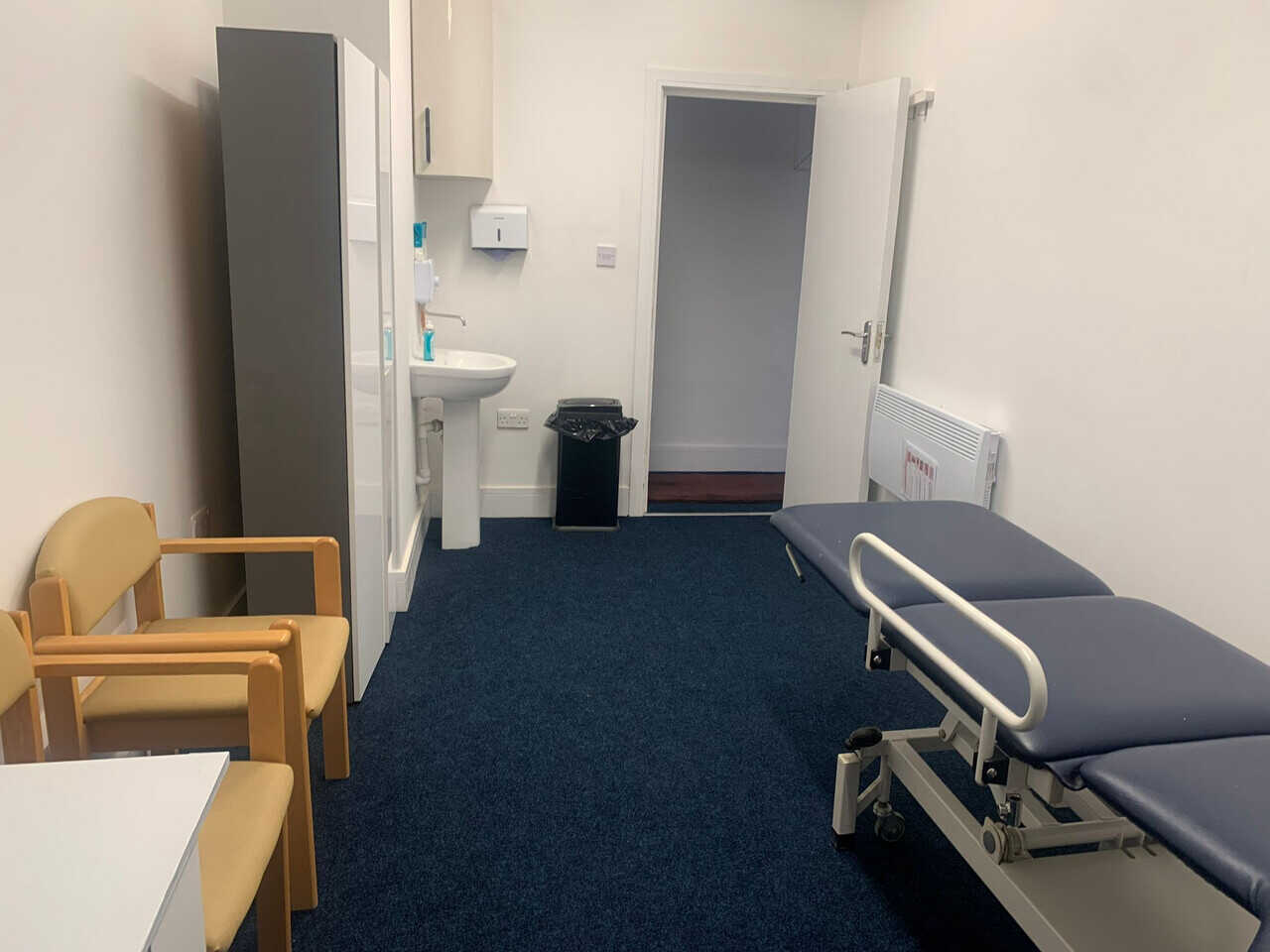
Birmingham Physiocare Ltd

Professional Domiciliary Physiotherapy Services Delivered to Your Door Step
Location & Hours
650 Pershore Road

Birmingham, B29 7NX
Write a Review